

Managing Hip Pain During Pregnancy: Causes and Comfort Tips
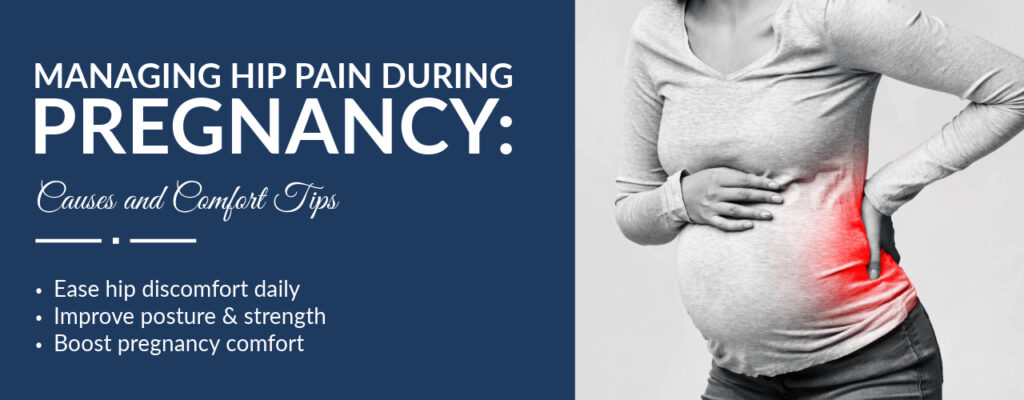
Hip discomfort can become a daily challenge for many expecting parents, especially as the body adjusts to physical and hormonal changes. If you’re looking for effective ways to manage hip pain during pregnancy, physical therapy offers safe and proven strategies to help you stay mobile and comfortable. Learning how to manage symptoms and avoid strain can make a significant difference throughout your pregnancy journey.
Why Hip Pain Happens During Pregnancy
Hip pain during pregnancy often stems from a combination of natural body changes:
- Hormonal shifts like increased relaxin levels cause ligaments to loosen. This helps prepare the body for childbirth, but can also create joint instability and added pressure on the hips.
- Postural changes develop as the baby grows. A forward-shifted center of gravity and increased low-back curve (lumbar lordosis) can stress the hip joints and surrounding muscles.
- Pelvic alignment may change as muscles stretch unevenly, affecting how weight is distributed across the hips and lower back.
Comfort Checklist: Practical Ways to Manage Hip Pain During Pregnancy
Here are simple steps you can take to stay more comfortable, minimize stress on your hips, and promote better alignment and function:
Use Proper Posture
- Stand tall, keep your shoulders relaxed, and align your hips over your ankles. Avoid locking your knees, and try to distribute weight evenly between both legs.
Sleep with Support Between Your Knees
- Lie on your side with a pillow between your knees and ankles. This position keeps your hips level and can reduce strain while you rest.
Stay Physically Active
- Light walking, swimming, or prenatal yoga (with approval from your provider) can maintain joint mobility and reduce stiffness in your hips.
Avoid Prolonged Standing or Sitting
- Change positions regularly to prevent pressure buildup in the hip joints. Set reminders to get up and move every 30 to 60 minutes if sitting for long periods.
Use Cold or Heat Safely
- Applying cold packs can reduce discomfort, while heat may soothe tense muscles. Always follow safety guidelines and consult your therapist before use.
Wear Supportive Footwear
- Choose shoes with good arch support and a stable sole. Avoid heels and flip-flops, which can increase imbalance and stress on the hips.
Stretch Gently and Regularly
- Focus on safe, guided stretches for the hip flexors, hamstrings, and glutes. Avoid overstretching, and talk to your physical therapist about what’s safe for your trimester.
Modify Daily Activities
- Bend from your knees and hips instead of your waist when picking things up. Use supportive furniture and tools to reduce repetitive strain.
Learn Pelvic Floor and Core Support Strategies
- Strengthening your deep abdominal and pelvic floor muscles helps stabilize your hips and reduce discomfort during movement.
Participate in Physical Therapy
- Our therapist can help improve movement patterns, reduce joint stress, and guide you through a personalized plan that evolves with your pregnancy.
How Physical Therapy at Primetime Physical Therapy Supports Hip Pain Relief
At Primetime Physical Therapy, our physical therapists understand the changes that come with pregnancy and how they impact your hips, pelvis, and overall mobility. Your therapist will:
- Perform a detailed movement assessment to identify specific strain points and imbalances
- Provide safe, customized treatments like manual therapy, gentle exercises, and postural training
- Offer guidance on activity modification, sleep positioning, and supportive tools that protect your joints
Our goal is to empower you with knowledge and care so you can stay strong, mobile, and comfortable throughout each trimester.
Choose Comfort, Stability, and Support
You don’t have to accept discomfort as part of your pregnancy. If you’re experiencing hip pain during pregnancy, personalized care from Primetime Physical Therapy can help you stay active and confident. Our team is here to support you with safe strategies and effective treatments every step of the way. Contact us today to learn how we can help you feel your best during pregnancy and beyond.